The Marijuana Industry Trends Leading the Cannabis Space in 2021
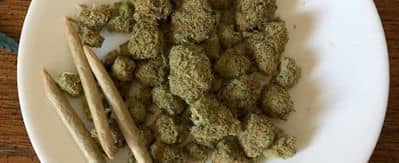
Many people feel legalization is around the corner, and money is starting to be put to work!
The cannabis excitement that pushed the latter half of 2020 to become the year of cannabis looks to continue in 2021. With a Democratic president coming into office, a Democratic House, and a Georgia runoff to see who controls the Senate on January 5th, investors are getting excited about the possibility of Federal cannabis legalization this year. Will the current marijuana industry trends continue into 2021? Or will we see a whole new set of ideas and marijuana trends? Investors are starting to make bets on who will be the winners and who will be the losers in the marijuana industry.
Popular Marijuana Trends – Mergers and Acquisitions
Firstly, mergers and acquisitions are all the rage as 2020 comes to a close. With big money starting to stake out a position in the cannabis space, we are seeing a plethora of $100 million SPAC funds, or special acquisition funds, set up in the cannabis and hemp space. These funds are basically blank checks for the manager to go and find good assets and stockpile them under one publicly traded umbrella. Bruce Linton, formerly of Canopy Growth, has a $150 million SPAC fund in the hemp space, and internet giant Weedmaps recently agreed to be acquired by a SPAC fund at a not-too-shabby $1.5 billion valuation. Add into the mix the “regular” type of mergers like Canadian behemoth Aphria and US-based Tilray, and you can start to see how consolidation is a key theme in the cannabis space to start 2021.
Appealing to the Masses – A Hint of THC
Another marijuana industry trend gaining momentum is the middle ground products that have high CBD and lower THC. These are starting to appeal to the mass consumers of Europe. Known as “floral hemp” or “diet weed”, the new trend in cannabis products show people still want their CBD, but they do want a touch more THC than a hemp-based product is legally allowed to give you. The trends toward lower THC products that have less THC than straight-up marijuana, but more THC than hemp-based CBD products, gives the user a full CBD dose and just a slightly higher buzz from the THC side. The consumer wants to feel the THC, but not get so high as to be able to not function.
Opportunities Galore – Marijuana Jobs On the Rise
Thirdly, the marijuana job market heats up as legalization gains steam, and jobs and tax revenue are at a premium in general after COVID-19. States and governments are desperate to create jobs and tax revenue due to the tremendous deficits created by the pandemic. With marijuana deemed an essential item during COVID and sales booming during a rough lockdown period, legislators are noticing high demand from the consumer during this distressing time. Sales taxes are also going to be needed to help replenish state coffers. Job growth will be a premium as the world recovers and with each now licensed cannabis company creating anywhere from 10 to 50 jobs, the movement to cannabis companies will continue to ramp up. Remember that getting a job at a cannabis company does not just mean a budtender or low-level position — it can also mean CPAs, lawyers, logistics, growers, technicians, lab workers, extraction experts, and more.
Entering New Spaces: From medical marijuana market trends to eco-friendly solutions
Fourthly, as the medical marijuana market is on the rise and more people are turning to cannabis to reduce stress and overcome medical issues, trends such as the eco-friendly movement are also predicted to gain steam in 2021. As consumers become more conscious of the positive benefits of marijuana, cannabis for medicinal and recreational purposes alike will continue to thrive.
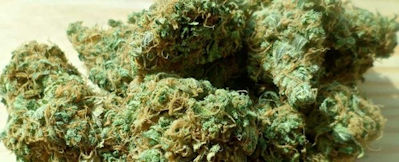
The number of marijuana consumers is on the rise.
And with more voices in the marijuana industry, the environmental impact of consumer actions will come under speculation. Many are becoming keener to learn more about how to dispose of plastic vape pens and cartridges, plastic cannabis bags and packages, and other items that industries have been producing for years. Cannabis vape cartridges, known as the “new cigarette butt”, are recycled with plastics, and cannabis packaging companies are now making an effort to minimize excessive waste in the products and packaging. With the industry already under intense scrutiny, cannabis brands and companies will really be under the magnifying glass for how they handle recycling, safety for kids, and security around their retail outlets. The transition to full legalization will draw out critics so all eyes will be on the small things the industry can do to make a good impression.
Cannabis Possession Laws by State: M–Z
In the U.S., cannabis possession laws by state are frequently changing and being updated, even though it is still illegal at the federal level. In 2020, many states approved different, less prohibitive legislations, although others are still very restrictive. Marijuana is federally illegal because the Controlled Substances Act from 1970 considers it a Schedule I drug. However, medical cannabis is already legal in at least 35 states as well as the District of Columbia.
To help cannabis growers, entrepreneurs and enthusiasts stay up-to-date, we created this two-part blog series briefly outlining cannabis possession laws by state. If you don’t find the state you’re looking for in the list below, please refer to our post: Marijuana Laws by State – Part One. If you’re planning to travel to other states, move, or even have a business idea, bookmark this page to always have it handy.
Montana
The state of Montana changed its cannabis laws in the 2020 election. Medical marijuana was legal in Montana after a ballot in 2004. As of January 2021, recreational cannabis will also be allowed for adult use in the state. People over 21 years old can possess, carry, or grow up to one ounce (28 grams) of marijuana.
Nebraska
In Nebraska, although cannabis is decriminalized, it is still illegal for medical or recreational purposes. Anyone caught in possession can end up paying a fine of $300 and being enrolled in mandatory drug education sessions. Repetitive offenses can lead to increased penalties and prison time. Recent proposals for medical cannabis have failed.
Nevada
Nevada legalized recreational cannabis in 2017, and medical marijuana has been legal for licensed individuals since the year 2000. Adult citizens can carry up to 2.5 ounces or 70 grams of cannabis and grow up to 12 plants — unless there’s a licensed dispensary within 25 miles. This state allows distributors and licensed growers to cultivate the plant.
New Hampshire
The state of New Hampshire decriminalized cannabis possession in 2017, allowing adults to carry up to three-quarters of an ounce (21 grams). However, it is still illegal, and carrying cannabis can lead to a fine. Repeated offenses may result in a misdemeanor charge. Medicinal use has been legal since 2013.
New Jersey
In New Jersey, medical marijuana has been legal since 2010, and recreational cannabis will be permitted, taking effect in January 2021. New Jersey voters approved cannabis for recreational use in November 2020 in a referendum. Adults can possess up to one ounce or 28 grams of marijuana. However, the local legislation does not allow citizens to grow cannabis — you can only purchase from state-licensed dispensaries.
Most local legislation won’t allow people to grow marijuana.
New Mexico
In the state of New Mexico, cultivation and transportation have only been legal for medical marijuana patients since 2007. New Mexico pioneered medical cannabis laws in the U.S., approving a research program back in 1978. Recreational cannabis has been decriminalized since 2019. The possession of up to 0.5 ounces or 14 grams is considered a petty misdemeanor offense, which leads to a $50 fine.
New York
In New York, recreational marijuana is illegal, but the state decriminalized cannabis in 2019 and made medical use legal in 2014. Adults carrying up to one ounce or 28 grams will pay a $50 fine, and if they have two ounces or 56 grams, the fine goes up to $100 for the violation. The state’s medical marijuana program only allows non-smoked use for certain circumstances.
North Carolina
Although North Carolina still considers growing and possessing marijuana illegal, even for medicinal purposes, the state decriminalized it in 1977. The only form of cannabis allowed for medical use is CBD oil, which was legalized in 2015. Any adult caught carrying up to 1.5 ounces, or 42 grams of marijuana can pay a fine of up to $1000, and it’s considered a misdemeanor.
North Dakota
North Dakota legalized medical cannabis in 2016, but recreational use, although decriminalized in 2019, is still considered illegal. Carrying up to 0.5 ounces or 14 grams is considered a criminal infraction and can lead to a fine of up to $1,000. Voters recently rejected attempts to make cannabis legal.
Ohio
Ohio legislation considers recreational marijuana illegal; however, it has been decriminalized since 1975. Carrying up to 3.5 ounces or 100 grams is a minor misdemeanor, and adults will be required to pay a small fine. Medical cannabis use was made legal in 2016, however only for a strict list of ailments, and smoking is prohibited by law.
Oklahoma
In Oklahoma, recreational cannabis is illegal. Medical marijuana was legalized in 2018, and adults with a State Medical Marijuana License are allowed to grow up to six mature plants and possess up to 3 ounces (85 grams) of cannabis. However, citizens don’t need a license to consume CBD oil extracted from industrial hemp.
Oregon
Oregon was the first state to decriminalize cannabis in the U.S. back in 1973. Since 2015, marijuana has been legal for both recreational and medicinal uses. Adults are allowed to possess up to one ounce or 28 grams. In a household with people over the age of 21, you can grow up to four plants for personal use. Medical marijuana cardholders, however, can designate a grower of their choice.
Medical cannabis patients are allowed to carry small amounts in many states.
Pennsylvania
In Pennsylvania, recreational cannabis is illegal, and carrying up to one ounce (28 grams) can be punishable by 30 days in prison and a fine. Medical use, however, was legalized in 2016. Since 2014, some municipalities such as Philadelphia, Pittsburgh, Harrisburg, and others have decriminalized small amounts — up to 30 grams.
Rhode Island
In Rhode Island, although recreational cannabis is illegal, it was decriminalized in 2012. Medical marijuana use has been allowed since 2006 for a list of medical conditions. Medical cannabis patients can carry up to 2.5 ounces or 70 grams and grow up to 12 mature plants and 12 seedlings. To grow your medicinal cannabis in Rhode Island, you should register with authorities.
South Carolina
South Carolina considers all cannabis use illegal, both medicinal and recreational. Since 2014, CBD oil with less than 0.9% THC content is legal for specific medical conditions. Adults caught carrying up to one ounce or 28 grams of marijuana can be convicted with a misdemeanor, 30 days in prison, and the payment of fines. Repeated convictions can increase penalties.
South Dakota
Cannabis was considered illegal in South Dakota until recently. After the 2020 elections, both recreational and medicinal uses were deemed legal. The legislation will take effect in July 2021, including the cultivation for personal use and possession of up to 1 ounce or 28 grams. Until then, even testing positive for cannabis could be considered a misdemeanor offense in the state.
Tennessee
Marijuana is illegal in the state of Tennessee for recreational or medicinal purposes. The only form of possession allowed is CBD oil with a THC content of less than 0.9%. This is only to be used by people who suffer from epilepsy or seizures and have gained their doctor’s permission. Carrying even small amounts of cannabis can be punished as a criminal misdemeanor.
Texas
In Texas, recreational cannabis is illegal, and medicinal cannabis products only allow CBD oil with high CBD content and THC as low as 0.5%. Anyone caught carrying up to two ounces or 56 grams can be punished with up to 180 days in prison, suspension of their driver’s license, and fines that can reach $2.000. However, some municipalities adopted cite-and-release policies for small amounts.
Utah
The state of Utah considers recreational cannabis illegal. Medical use has been legal as of 2018 for a list of ailments. Growing, however, is prohibited. Any adult caught carrying small amounts of marijuana can be punished with a misdemeanor crime. Medical marijuana cardholders can carry up to 3.95 ounces or 112 grams.
Vermont
Vermont has allowed cannabis for medical use since 2004 and recreational use since 2018. Adults over the age of 21 can possess up to one ounce or 28 grams of marijuana and cultivate two mature plants per household.
Adults in the state of Vermont can grow up to two plants per household.
Virginia
Although Virginia considers marijuana illegal for all purposes, the state decriminalized cannabis in 2020. People carrying up to one ounce or 28 grams can be punished with a misdemeanor and a small fine. Ever since 2015, the only form allowed is CBD oil with a THC content less than 5% for medicinal purposes. Cultivating cannabis in Virginia is illegal.
Washington
Since 2012, recreational cannabis has been legal in the state of Washington. Any adult over the age of 21 can carry up to one ounce or 28 grams, but personal cultivation is only permitted for medical patients. In the U.S., Washington was the first state to legalize recreational cannabis, and medical marijuana has been legal there since 1998. Growers are not allowed to sell cannabis to consumers, only retailers or processors.
West Virginia
West Virginia considers recreational cannabis illegal, and carrying any amount is regarded by law as a misdemeanor crime. Medical cannabis has been legal since 2017, but only for a small list of fifteen medical conditions. Any form of cannabis cultivation in households is illegal.
Wisconsin
The state of Wisconsin considers most forms of cannabis as illegal, except for industrial hemp and CBD oil with low THC content. Even CBD oil is only allowed for a small list of conditions. Carrying any amount is considered a misdemeanor, and repeated offenses can be punished as a felony. The state of Wisconsin, however, allows industrial hemp farming.
Wyoming
Wyoming is one of the states in the U.S. with some of the most restrictive laws regarding marijuana. Cannabis is not even permitted for medical purposes, only in the form of CBD oil with low THC. Possession of small amounts is considered a misdemeanor that can lead to up to a year in prison, plus fines of $1.000.
Have any questions about any of the information shared? Send us a message or chat with one of our Marijuana Specialists today!
Cannabis News is created by Homegrown Nursery to provide you with the latest and greatest, most reliable content about marijuana. We’re a top source for high-quality marijuana clones in California and beyond!