
Mold Prevention Tips - Homegrown Nursery
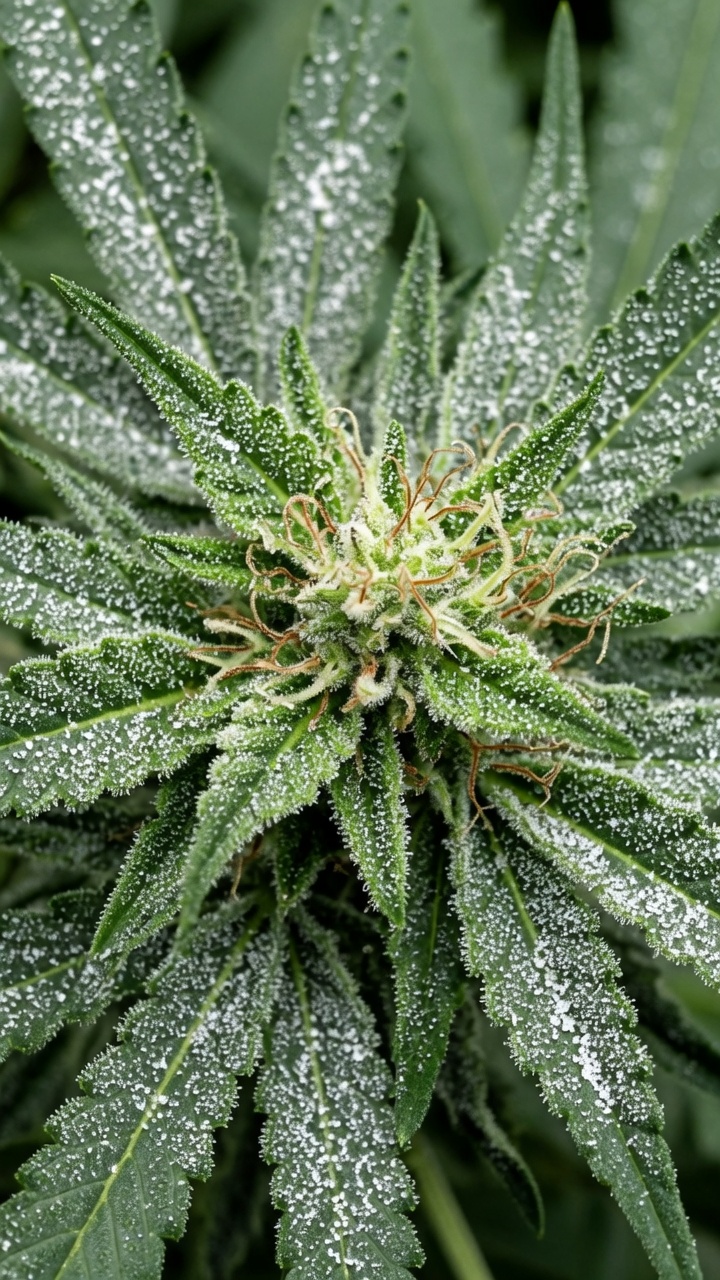
Mold Prevention Tips
Mold is one of the most frustrating problems a cannabis grower can run into, because by the time it's visible, it's often already spread further than it looks. The good news: mold is largely preventable with the right humidity control, airflow, and a bit of vigilance — and knowing what to watch for lets you catch problems early, before they cost you a harvest. This guide covers what causes mold, how to prevent it, and what to do if you find it. If you haven't set up your grow space yet, our Indoor Grow Setup Checklist covers the ventilation equipment referenced throughout this guide.
Why Mold Happens
Mold needs two things to take hold: moisture and stagnant air. Cannabis buds — especially dense, tightly-packed ones — create countless tiny pockets where humidity can linger without air movement to dry them out. Once mold spores (which are present in the air almost everywhere) land somewhere warm, damp, and still, they can establish and spread within days, often starting deep inside a bud where it isn't visible until the problem is advanced.
Humidity Control
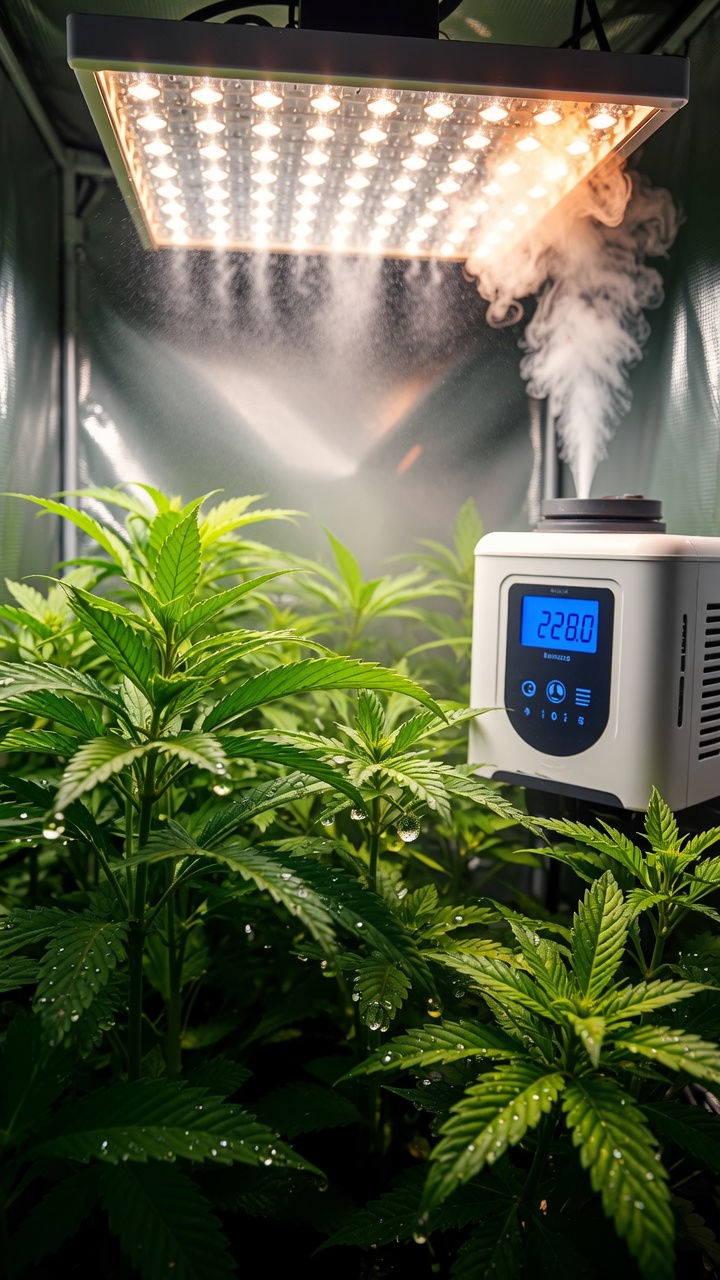
Target ranges by growth stage. Different stages of growth call for different humidity levels. Seedlings and clones benefit from higher humidity (65–70%) to support their still-developing root systems, but by flowering, humidity should drop significantly — ideally down to 40–50% in early flower and as low as 30–40% in late flower, when dense buds are most vulnerable. This is the opposite of what many beginners assume; humidity should decrease as the plant matures, not stay constant.
Use a hygrometer, not guesswork. A simple humidity/temperature gauge is one of the cheapest, highest-value tools in a grow space — see our Indoor Grow Setup Checklist for what to look for. Guessing at humidity is one of the most common reasons mold problems catch growers off guard.
Dehumidifiers for damp climates or sealed spaces. If your grow space naturally runs humid — whether from your local climate or simply from a tightly sealed tent — an active dehumidifier is often the difference between a clean harvest and a moldy one, especially heading into flower.
Airflow
Air movement matters as much as humidity itself. Even at a technically acceptable humidity reading, still air lets moisture pool on and inside dense buds. A combination of an oscillating fan (for gentle, direct airflow across the canopy) and an exhaust/intake system (to actually cycle fresh air through the space) does more to prevent mold than humidity control alone.
Don't let leaves and buds touch. Overcrowded plants or an untrimmed lower canopy block airflow exactly where it's needed most. Removing excess lower foliage (a technique sometimes called "lollipopping") that isn't getting useful light anyway also improves airflow around the areas most prone to mold.
Pay special attention to dense, resin-heavy strains. Some strains are simply more mold-prone than others due to how tightly their buds form. Strains like Girl Scout Cookies, Wedding Cake, Ice Cream Cake, and London Jealousy all have naturally dense bud structures that benefit from extra airflow attention compared to looser-structured strains. Our Strain Comparison Guide notes climate and mold-resistance considerations for strains across our catalog if you're choosing with this in mind.
Watering Practices
Water in the morning, not at night. Watering early in the day gives excess moisture time to evaporate and for the plant to take it up before lights-out, when a cooler, more stagnant environment makes lingering moisture far more likely to cause problems.
Avoid wetting the buds and leaves directly. Water the growing medium, not the plant itself. Overhead watering or misting directly onto flowering buds is one of the most direct paths to mold.
Don't overwater. Beyond the general risks of overwatering (root problems, nutrient issues), consistently soggy growing medium raises ambient humidity right at the base of your plant, working against everything else you're doing to manage humidity in the air above it.
Recognizing Mold Early
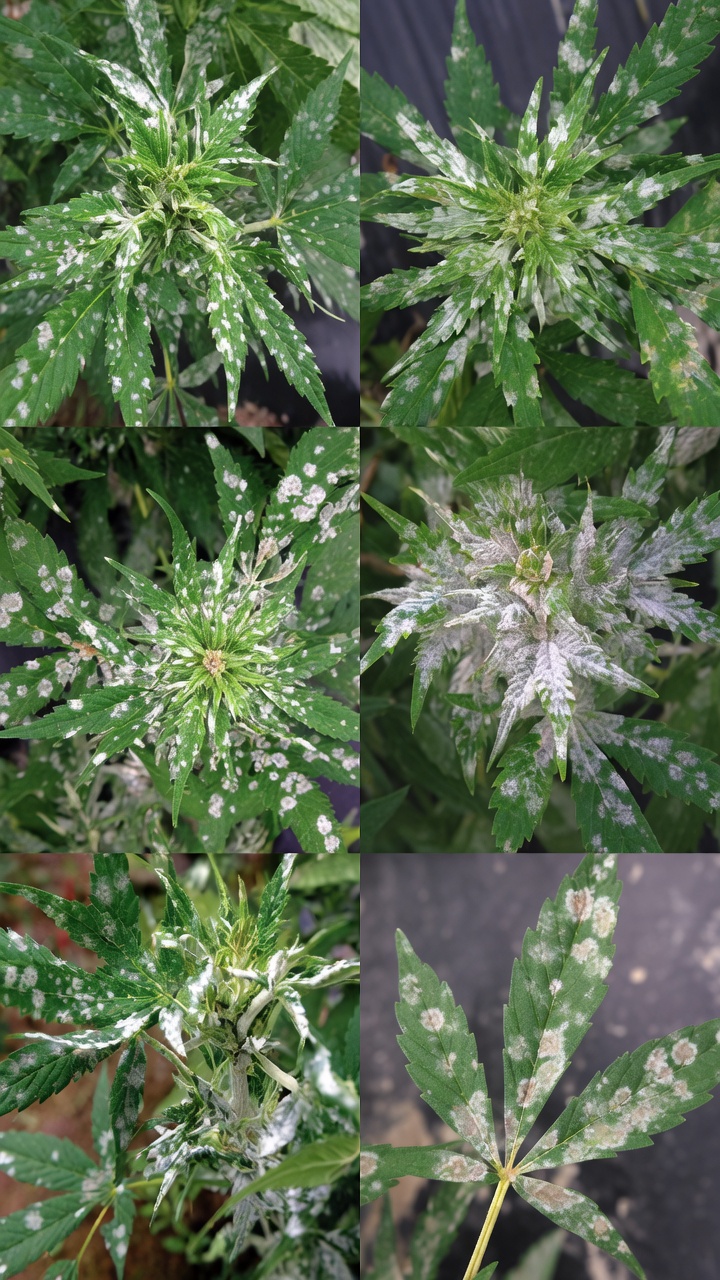
What to look for. Bud rot (a specific type of mold, also called botrytis) often starts inside a bud, not on the surface — a bud that looks fine from outside but feels unusually light, dry, or brittle at the touch can be a sign that rot has hollowed it out from within. Visible gray, white, or fuzzy patches on the surface are a later-stage sign, not an early one.
Check dense colas specifically, regularly. Since mold often starts in the interior of your densest buds, make a habit of gently checking the thickest parts of your canopy during flowering — not just glancing at the plant from a distance.
A sudden, unpleasant musty or moldy smell — distinct from the plant's normal aroma — is often one of the earliest warning signs, sometimes noticeable before any visible symptoms appear.
What to Do If You Find Mold
Remove affected material immediately, cutting well beyond the visibly affected area, since mold can extend further into a bud than what's visible from outside. Dispose of it away from your other plants, not in the same room.
Improve conditions right away — don't just remove the moldy material and continue as before. If mold appeared, something about your humidity or airflow setup let it happen, and it's worth reassessing before it recurs somewhere else on the same plant or a neighboring one.
Isolate affected plants if growing multiple. Mold spores spread easily in a shared space; separating an affected plant while you address the underlying cause reduces the risk to the rest of your grow.
Frequently Asked Questions
Can mold be washed off?
Not reliably, and it's not a recommended approach for cannabis specifically. Mold often extends into a bud's interior structure, not just the visible surface, so surface cleaning doesn't address contamination that's already spread inward. Affected material is generally better removed and discarded than salvaged.
Which growing stage is the riskiest for mold?
Late flowering is typically the highest-risk period, since buds are at their densest and most resin-coated right when humidity needs to be lowest. This is also often when growers are most reluctant to intervene, since the harvest is close — but it's exactly the wrong time to relax airflow and humidity management.
Do autoflowering strains have different mold risks than photoperiod strains?
Not inherently — mold risk comes down to bud density, humidity, and airflow regardless of whether a strain is autoflowering or photoperiod. However, autoflowers' shorter, less flexible timeline means there's less room to delay harvest if conditions turn unfavorable late in flower, which is worth keeping in mind.
Is outdoor growing more mold-prone than indoor?
It can be, since outdoor growers can't control humidity and rainfall the way indoor growers can. Coastal and humid-climate regions carry particular risk — see your state's page for climate-specific growing notes relevant to mold risk in your area.